Introduction
Selecting the right medical equipment is one of the most important decisions for any clinic, hospital, or private practice. With modern healthcare evolving rapidly, having reliable and high‑quality tools enhances patient care, improves operational efficiency, and reduces long‑term costs. This guide will help you make informed purchasing decisions for your facility.
Investing in the right medical equipment isn’t just about purchasing devices—it’s about equipping your clinic with the tools that ensure accuracy, enhance patient trust, and support long‑term growth in healthcare delivery.
1. Understand Your Clinic’s Needs
Before buying any equipment, identify the type of care you provide.
- Is your clinic diagnostic-focused?
- Do you specialise in primary care, surgery, or rehabilitation?
- How many patients do you see daily?
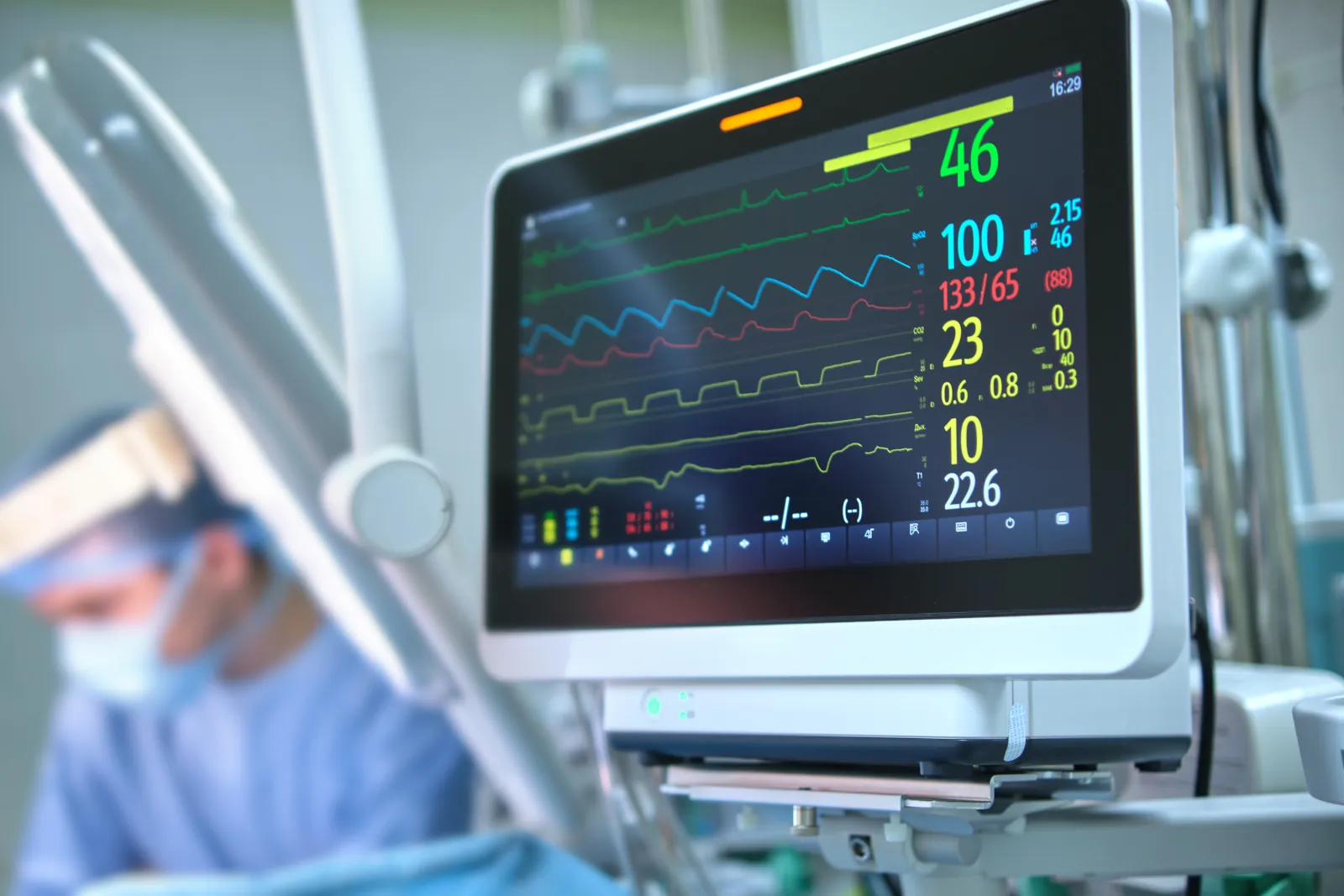
Evaluating these factors helps prioritise essential equipment such as diagnostic tools, patient monitoring systems, and sterilisation equipment.
2. Quality and Certifications Matter
Always verify standards such as:
- ISO Certifications
- CE Marking
- FDA Approvals (if applicable)
Certified equipment ensures better durability, accuracy, and safety—critical in medical environments.
3. Choose Suppliers Who Offer Warranty and Support
A trusted supplier should provide:
- Installation and calibration
- Maintenance services
- Manufacturer warranties
- Staff training where required
This reduces downtime and ensures your team can use the equipment effectively.
4. Consider Long-term Costs
Beyond the purchase price, consider:
- Consumables
- Spare parts
- Maintenance contracts
High‑quality equipment often saves money in the long run.